Small Private Office Space Safety: An After-Hours Guide
How to evaluate safety and access when choosing a small private office space for late-night work in Toledo.
If you run a business in Toledo, your work day rarely ends when the clock hits five. Whether you are catching up on client files or prepping for a morning presentation, working late is often where the real work gets done. Choosing a small private office space that supports your schedule without compromising your personal safety requires looking closely at how a building operates after standard business hours.
When you work outside typical business hours, the quiet of an empty building should feel like a productivity advantage, not a source of hesitation. The right environment balances round-the-clock entry with clear security measures, so you can focus entirely on your work. Here is how to evaluate building security and access protocols to ensure your off-hours work routine remains safe and productive.
Evaluating Entry Systems and Access Control
Securing a small private office space starts at the front door. Traditional keys are easily misplaced, copied, or lost, which creates ongoing vulnerabilities for everyone in the building. Modern commercial properties use electronic access systems that track who enters and when, providing a reliable digital record of building activity.
When evaluating a potential workspace, ask how after-hours access is managed. The primary entrance should remain locked at all times outside normal business hours, requiring a keycard, fob, or secure digital code to unlock. This ensures that random visitors or delivery drivers cannot wander into the common areas while you are working alone.
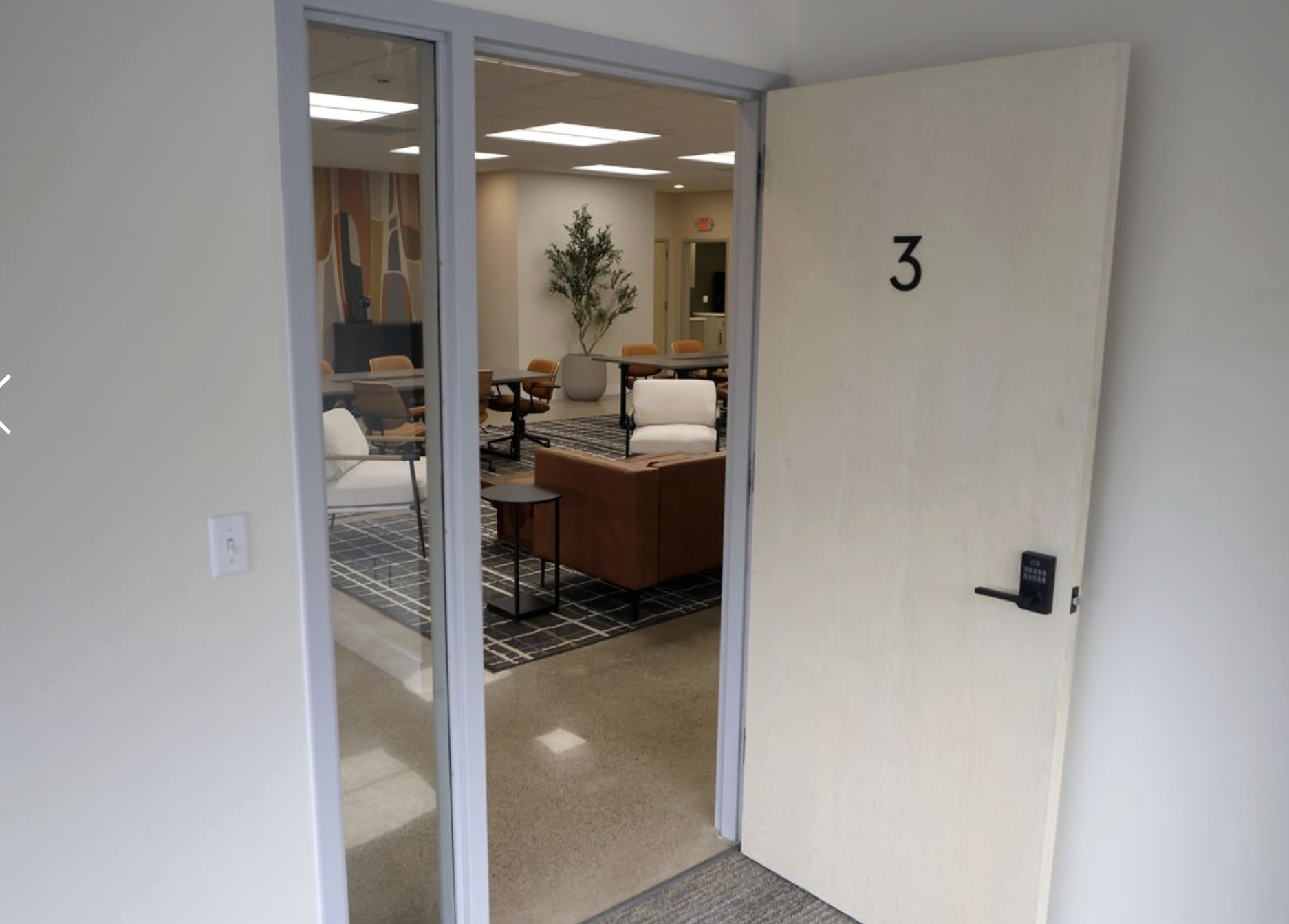
Inside the property, your individual suite needs its own physical lock. A secure exterior door keeps the general public out, but a locked interior door gives you peace of mind while you are focused at your desk. You should feel entirely secure leaving your computer and files behind when you step away for a cup of coffee or a quick break.
Visibility and Exterior Lighting Around the Building
Safety does not begin at the front door; it starts in the parking lot. If you regularly arrive early or leave late, well-lit exterior grounds are essential. Adequate lighting deters unwanted activity and allows you to walk to and from your vehicle with confidence.
Take time to visit the property in the evening before signing any agreement. Pay attention to how the parking area and walkways are lit. Entrances should be bright and clearly visible from the street, with no dark corners or overgrown landscaping obscuring the doors.
In places like Toledo or Sylvania, winter months mean arriving and leaving in the dark. Having exterior lights that automatically turn on at dusk ensures you never have to navigate a dark parking lot at the end of a long day.
Interior Layout and Building Security Features
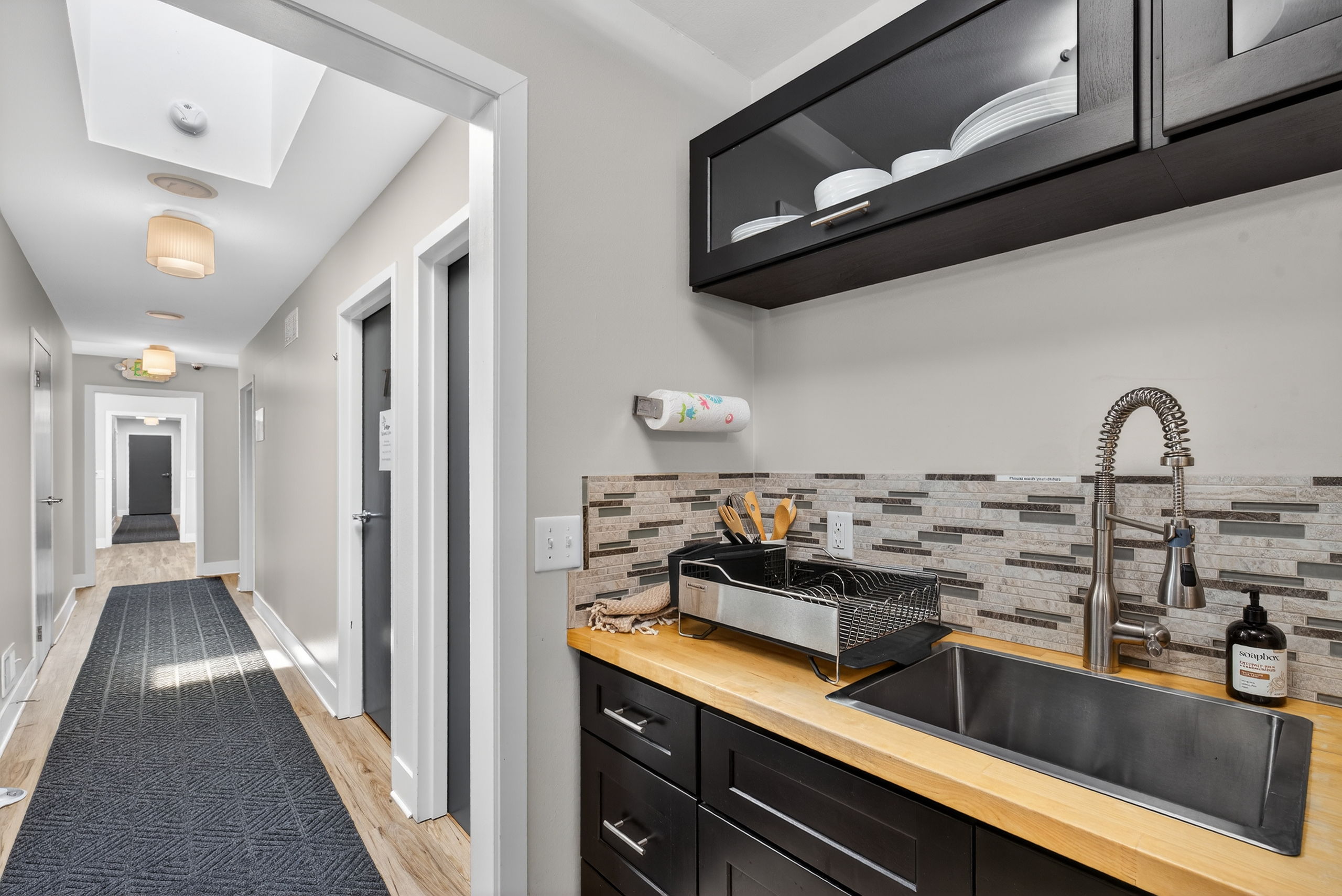
Once inside, the internal layout of the building plays a significant role in how comfortable you feel working alone. Open corridors with clear lines of sight are much safer than winding, narrow hallways with hidden alcoves. You should be able to see down hallways clearly as you move between your desk, the kitchen, and the restrooms.
Comprehensive camera coverage in common areas provides an additional layer of protection. A building security system that monitors entries, exits, and shared hallways deters misconduct and ensures the facility remains safe for all occupants. When touring a potential space, notice whether security cameras are installed in key shared areas.
Fire safety and emergency exits are equally vital. Check that emergency exit signs are illuminated and that secondary exit doors remain clear and operational from the inside at all times. Knowing your egress routes allows you to react quickly if an unexpected emergency arises.
Managing Client Meetings Outside Normal Hours
If your professional work requires meeting clients during early mornings or late evenings, your workspace must accommodate those visits securely. A professional setting should make your clients feel secure while maintaining strict control over who enters the building.
A quality setting includes a dedicated waiting area and a private conference room for these client interactions. When hosting an after-hours meeting, you should be able to greet your client at the main locked entrance and escort them directly to your meeting room. This maintains building security while projecting a polished, established image to your visitors.
Never leave exterior doors propped open to allow late-arriving clients to walk in unescorted. Propping doors defeats the building access control systems and compromises the safety of every other professional working late in the facility.
Setting Up Personal After-Hours Protocols
Even in a highly secure building, establishing your own personal security habits adds essential protection. Simple routines reduce risk and allow you to work late without anxiety.
First, keep your individual office door locked, even when you are inside working late. This simple step prevents unexpected interruptions and adds a second barrier between you and the common hallways.
Second, share your general schedule with a family member or trusted colleague. A quick text message letting someone know you are working late and when you expect to head home provides a reliable safety net.
Finally, keep your workspace organized so you can wrap up quickly when your work is finished. Knowing where your keys, phone, and belongings are allows you to pack up and exit the building efficiently without fumbling at the door.
Frequently Asked Questions About Workplace Security
How do keycard entry systems protect professionals working late?
Electronic access systems ensure that exterior doors remain locked at all times while recording entry data. This prevents unauthorized individuals from entering the building and ensures that only verified professionals have entry outside standard operating hours.
What exterior safety features should I look for when choosing a space in Toledo?
Look for bright LED parking lot lighting, illuminated walkways, and clear lines of sight from the building entrance to your vehicle. Well-lit surroundings deter unwanted activity and help you feel secure entering and exiting after dark.
Can I host clients for evening meetings in a small private office space?
Yes, you can host evening client meetings by greeting your visitors at the locked main door and walking them to a secure conference room. This protocol keeps the building secure while offering your clients a professional and comfortable environment.
Why is a dedicated building security system important for small business owners?
A comprehensive security system protects your physical assets, confidential files, and personal safety while you work. It provides round-the-clock monitoring of common spaces so you can focus entirely on running your business.