Top Things to Know Before Leasing Office Space in Toledo
Essential tips before leasing office space in Toledo: costs, locations, lease types, and how to find the right fit.

Whether you're launching a startup, expanding your business, or relocating your operations, finding the right office space in Toledo is a crucial step.
This guide walks you through everything you need to know to make an informed decision—without the overwhelm.
1. Understand Your Business Needs
Before you even browse listings, define your goals.
Do you need private offices, a shared space, or something flexible? Consider how many employees you’ll have and how often they'll work in-office.
Think about what amenities matter most. Is a conference room non-negotiable? Do you require high-speed internet or on-site parking?
Start with a checklist of must-haves and nice-to-haves. This will guide your search and prevent decision fatigue.
2. Know the Types of Office Spaces Available
In Toledo, businesses can choose from various types of spaces:
- Traditional Office Spaces – Ideal for privacy and branding.
- Co-Working Spaces – Perfect for startups or freelancers.
- Executive Suites – Fully furnished and ready-to-move.
- Flex Spaces – Great for short-term needs.
Each offers unique benefits. Match the type to how your team actually works.
3. Research Toledo’s Office Neighborhoods
Location matters. Toledo offers diverse options depending on your industry and audience.
- Downtown Toledo – Walkable, close to government buildings and law firms.
- West Toledo – A quieter business district, popular with medical and consulting professionals.
- Maumee & Perrysburg – Suburban areas with modern facilities, ideal for established firms.
- South Toledo – Affordable, practical spaces with flexible layouts.
Be strategic. Where your office is says a lot about your brand.
4. Set a Clear Budget
Leasing costs vary depending on location, amenities, and lease terms.
Beyond base rent, add in costs like:
- Utilities
- Internet and telecom
- Insurance
- Parking
- Maintenance and common area fees
Decide what you can afford monthly and annually. Plan for future growth too.
5. Understand Lease Types
Lease structures can be tricky. Here are the most common:
- Full-Service Lease – All utilities and expenses included.
- Net Lease – Base rent plus operating costs.
- Modified Gross Lease – Shared expenses between tenant and landlord.
Review each term carefully. Understand your rights, responsibilities, and penalties for early termination.
6. Check Zoning Regulations
Make sure your business type is permitted in the area you're considering.
Zoning laws in Toledo vary by district. Some properties are strictly for retail or industrial use.
Confirm with local authorities before you sign.
7. Consider Accessibility & Transportation
Is your office easy to access for clients and employees?
Proximity to highways, bus routes, and major roads can impact productivity and client satisfaction.
On-site parking or nearby garages are a bonus. Especially in Downtown Toledo, where parking may be limited.
8. Inspect Infrastructure and Amenities
Don’t judge a space by its square footage alone.
Evaluate:
- HVAC and lighting systems
- Elevators and ADA compliance
- Security and access controls
- Meeting rooms, break rooms, and restrooms
These factors impact daily comfort and productivity. Always tour in person before you commit.
9. Think About Growth and Flexibility
Your needs today may change in six months. Choose a space that can adapt.
Look for:
- Room for additional desks or rooms
- Shorter lease terms with renewal options
- Subleasing rights if you grow or downsize
10. Read the Fine Print
Before signing anything, have a legal expert review your lease.
Watch for:
- Clauses on maintenance responsibilities
- Rent escalation terms
- Conditions for renewal or exit
- Exclusivity and non-compete clauses
- Transparency matters. Never sign blindly.
11. Understand Common Area Maintenance (CAM) Fees
Many properties charge extra for shared space maintenance.
CAM fees might include cleaning, landscaping, security, and repairs.
Ask for a detailed breakdown of what’s included—and whether they’re fixed or variable.
12. Pay Attention to Lease Length
Leases typically range from 6 months to 5 years.
Shorter leases give flexibility. Longer leases offer stability and better rates.
Consider your business phase. A startup may need more room to pivot.
13. Inquire About Build-Out Options
Need a custom layout or branding? Some landlords allow improvements.
Discuss:
- Who pays for the upgrades
- What’s allowed in terms of construction
- Timelines for completion
14. Ask About Internet and Tech Capabilities
Today’s businesses can’t run without fast, reliable internet.
Check the speed, providers available, and whether wiring is up to date.
Ask about security systems, smart controls, and networking infrastructure.
15. Assess the Landlord or Property Manager
A great space can be ruined by a poor landlord.
Do your homework:
- Read reviews from other tenants
- Observe how they maintain the property
- Ask about response time for repairs
16. Think About Branding and Visibility
If walk-in traffic is key to your business, visibility matters.
Look for:
- Window signage
- Street frontage
- Foot traffic patterns
A professional-looking building can boost your credibility.
17. Explore Available Incentives
Landlords often offer:
- Free rent for the first month
- Tenant improvement allowances
- Reduced security deposits
Use these as leverage during lease negotiations.
18. Ensure Safety and Compliance
Your office must comply with health and safety codes.
Check for fire exits, extinguishers, and working alarms.
Look for properties with recent inspections and up-to-date certifications.
19. Evaluate the Surrounding Environment
The area outside your office impacts clients and staff.
Is it safe? Are there restaurants, cafes, or banks nearby?
What’s the general vibe—quiet, energetic, corporate?
Your location reflects your company culture.
20. Get Professional Help on the Paperwork
Navigating commercial real estate alone is tough.
A commercial real estate attorney or a tenant-side broker can review terms and spot problems before you sign.
FAQs About Leasing Office Space in Toledo
Q1: How long does it take to lease an office space?
It can take anywhere from 2 to 8 weeks depending on lease negotiations, space availability, and build-outs.
Q2: What’s included in a typical Toledo office lease?
Most include base rent, but utilities, CAM fees, and taxes may be extra depending on the lease type.
Q3: Can I sublease my space later?
It depends on the lease terms. Some agreements allow subleasing, while others prohibit it.
Q4: Is co-working space better than traditional office leasing?
If you want flexibility and fewer upfront costs, co-working can be ideal—especially for startups.
Conclusion: Make the Smart Move
Leasing office space in Toledo doesn’t have to be overwhelming. With the right approach, you can secure a space that meets your needs, fits your budget, and helps your business grow.
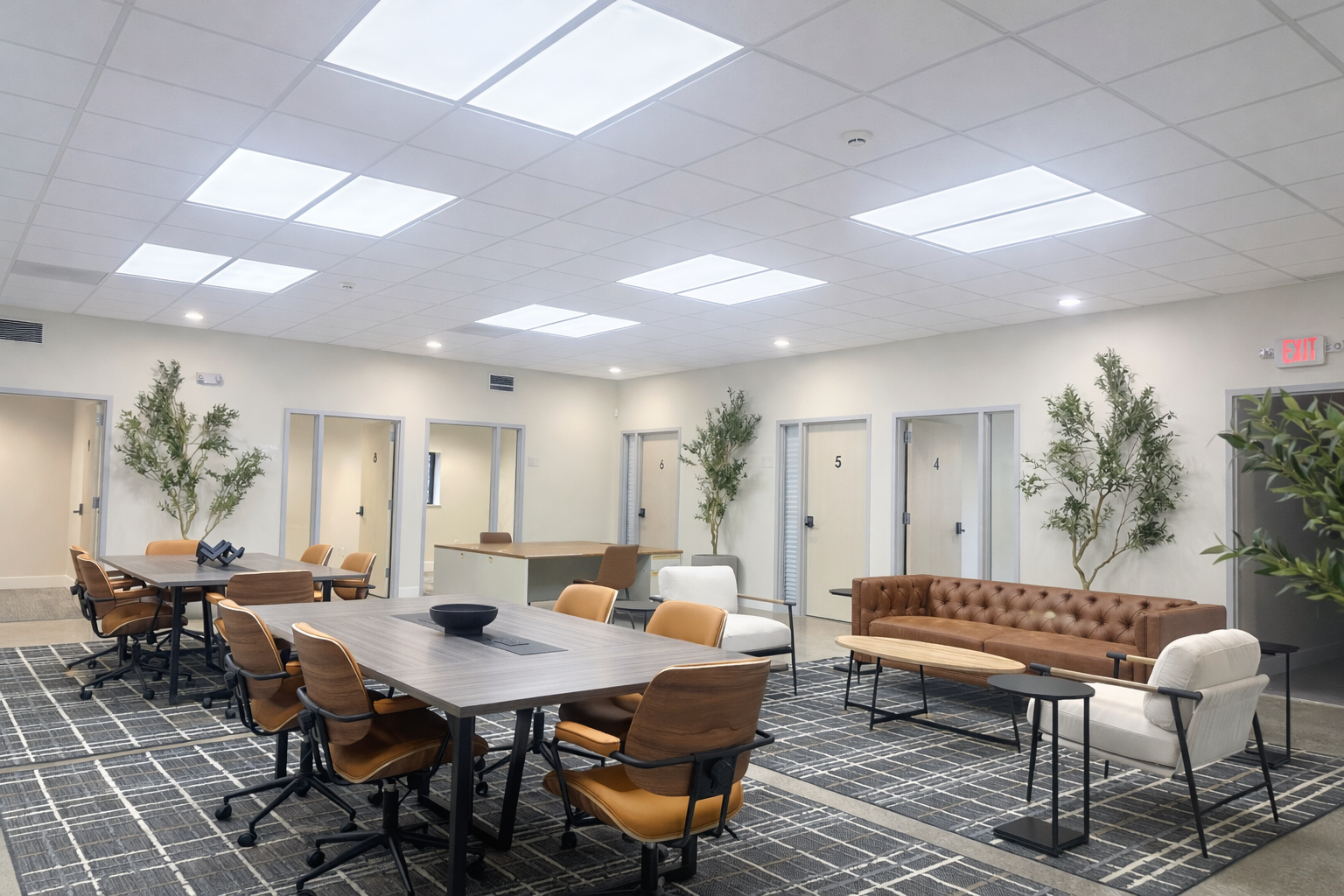
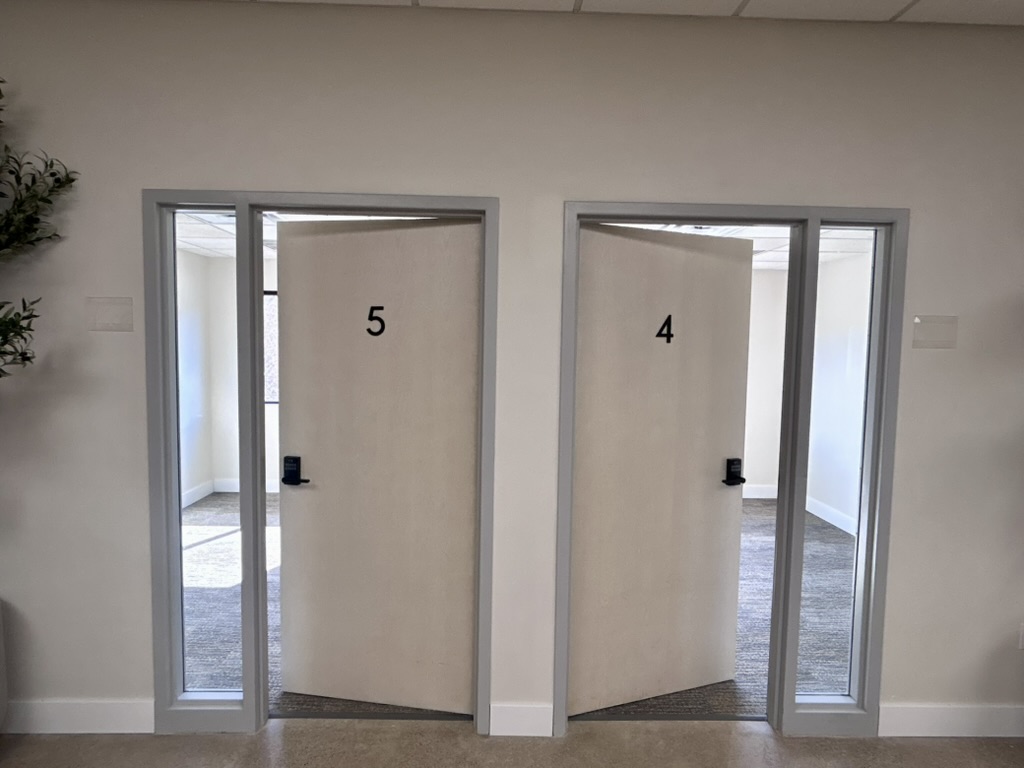
If a long lease feels like more than you need right now, OfficeSpot offers coworking and private office space in Toledo. Book a tour to see if it fits.